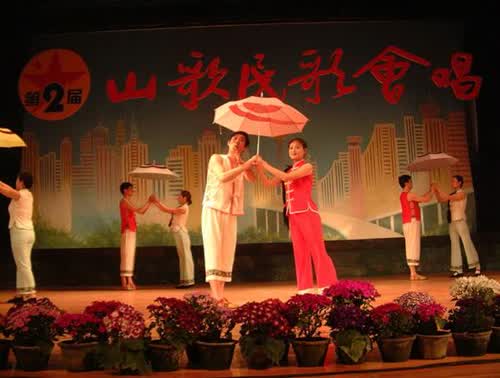
Haimen folk song
Introduction
Haimen folk songs are a distinctive genre of folk music originating from Haimen in Jiangsu province. Recognized in 2008 as part of China’s National Intangible Cultural Heritage, these songs encapsulate the cultural and historical essence of the region.
Historical Development
The roots of Haimen folk songs trace back to the labor and daily lives of farmers. By the early 20th century, these songs had gained regional recognition, leading to the compilation of Jiangkou Love Songs in 1931, which drew widespread attention within the arts community. After the founding of the People’s Republic of China, the establishment of the Haimen Mountain Song Troupe provided institutional support for the preservation and development of this art form.
Musical Features and Structure
Haimen folk songs are celebrated for their vivid language, melodious tunes, and heartfelt expression. They are classified into two main types: lyrical mountain songs and narrative mountain songs.
Lyrical folk songs: Also called "short mountain songs", these are often improvised during or after labor. Their concise and spontaneous nature reflects the immediate emotions or thoughts of the singers.
Narrative folk songs: Known as "long mountain songs", these are elaborate compositions, sometimes comprising hundreds of verses. They feature complete storylines and are performed in various styles, including solos and duets.
The melodies of Haimen folk songs are characterized by their simplicity and sweetness, often described as flowing, pure, and poignant.
Themes and Cultural Significance
The content of Haimen folk songs spans a wide spectrum, mirroring the lives, aspirations, and emotions of the local community.
Themes include:
Celebrations of labor and the pursuit of a better life.
Romantic expressions, highlighting the sincere emotions of young couples.
Optimistic portrayals of resilience and hope.
Resistance against exploitation, reflecting the struggles of the working class.
As a vibrant representation of Jiangsu's coastal culture, these songs offer valuable material for researchers in fields such as linguistics, folklore, ethnomusicology, and history. They also hold deep emotional and social resonance for the local population, connecting past and present through their stories and melodies.
Challenges and Preservation Efforts
Despite their historical and cultural importance, Haimen folk songs face the risk of fading into obscurity. The passing of veteran singers and the waning popularity of traditional folk arts have left the tradition in a precarious state. Although there are still rural performers who can sing hundreds of these folk songs, their numbers are dwindling.
Efforts to preserve and revitalize Haimen folk songs include documentation projects, performance initiatives, and educational programs aimed at engaging younger generations. These measures are critical for ensuring that this remarkable cultural heritage continues to thrive as a living tradition.
Haimen folk songs are more than just a musical tradition—they are a profound reflection of the social, historical, and cultural landscape of Haimen. As they face the challenges of modernity, it is essential to protect and celebrate this treasure of intangible heritage, safeguarding its melodies for future generations.








